Solar and Distributed Generation
Looking to install solar, batteries, wind, or other generation? Find out more about connecting your system to our electricity network here.
Distributed generation (DG) includes systems that generate electricity for your own use. When applying to connect your system to our network, please let us know whether the connection is primarily for reliability or for exporting power back into the grid. We support the development of safe and reliable distributed generation and will work with you to ensure your connection meets all safety requirements.
We support a range of generation types, such as:
- solar
- batteries
- vehicle-to-grid (V2G)
- micro hydro
- wind
- other generation sources.
Types of distributed generation
There are three categories of distributed generation:
- Less than 10kW
Generally installed in whares and small businesses. These systems are typically used to power your own property and may export excess electricity back into the network.
- 10kW – 300kW
Typically installed at larger homes, farms, commercial premises, schools, and small to medium businesses. These systems are larger and may require additional technical assessment before connection. - More than 300kW
Large-scale distributed generation projects that are typically installed by commercial, industrial, or utility-scale customers. These applications require a more detailed technical assessment and supporting documentation as part of the connection process.
Update to solar export settings
We’re seeing more customers across the Waipā district installing rooftop solar, batteries, and other small-scale generation. To keep supporting this growth, we’ve made a couple of changes to make it easier to connect more solar.
Our aim is simple: enable as many customers as possible to benefit from solar while keeping our network safe, reliable, and fair for everyone.
To help achieve this, we’ve updated our export settings:
- The limit for single-phase inverters has been raised to 10kW.
- Inverters installed on Waipa’s network must now be compliant with “Australian A” settings of AS/NZS 4777.2 2020. This is a provisional requirement until the standard is revised.
These changes align with modern industry practice and recent government changes to the voltage limits. They also provide greater flexibility for installers and customers when designing systems.
As before, actual solar generation supplied back into the grid depends on real-time network conditions. When generation exceeds demand, the inverter output may be automatically reduced. In the future, we’ll be investigating advanced systems, such as operating envelopes, to maximise the amount of solar generation that can be supplied to the grid.
Congestion
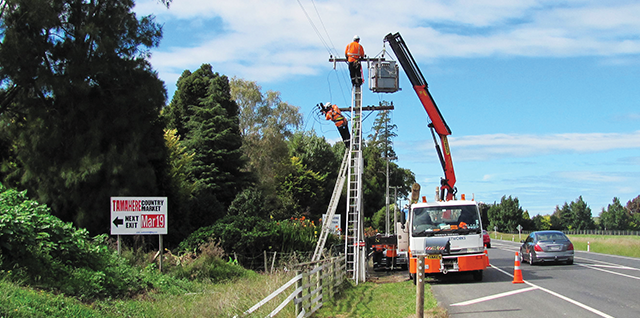
“Congestion” happens when there’s a bottleneck somewhere in the network. When the line or transformer reaches its limit and can’t carry any more electricity, it’s “congested”.
Our network is currently uncongested and we carry out regular assessments to identify areas of potential congestion. We’ll keep you posted if there are any congested areas on our network.
Inverter requirements
An inverter converts electricity from DC (direct current) to AC (alternating current) so it can be used in your home or exported to the network.
- DC (direct current) is the type of electricity produced by solar panels and batteries. It flows in one direction.
- AC (alternating current) is the type of electricity used in homes and on the electricity network. It changes direction many times per second.
The basic idea behind inverters is that they switch DC inputs back and forth very fast – turning DC into AC that can be safely used or exported.
All inverters connecting to our network must meet our technical standards and comply with AS4777. Here’s a list of Waipā Networks-approved inverters.
Regulated terms
We have regulations that apply to distributed generation. The regulations allow distributed generation to be connected if the connection and operation standards are met. The regulatory framework for connecting distributed generation is laid out in Part 6 of the Electricity Industry Participation Code (“Code”).
This code will apply in most distributed generation connections (once completed). However, Waipā Networks and the distributed generator may enter a connection contract anytime. These contract terms shall take precedence.
If contracted terms cannot be negotiated and agreed upon within 30 days following notice to us of the intent to form a contract, the Regulated Terms will apply. Any changes to the contract must be agreed upon by both parties.
For full information about the connection of distributed generation, please click here.
Distributed Generation Policy
In addition to regulated terms, your distributed generation installation must also comply with our Distribution Policy. This can be found here.
Electricity prices
Lines charges are the part of your power bill that pay for delivering electricity across the local network of poles, wires, and substations. These charges are billed to your electricity retailer, who includes them in your total power bill.
To understand how lines charges work, what you’re paying for, and how they’re calculated, visit our Lines Charges page. You can also view our latest pricing schedules and methodology on this page.
If you have questions about your bill or pricing, please contact your electricity retailer or get in touch with us.
How long will it take?
A simpler connection may take a couple of days, while more complex connections can take a few weeks. Connection charges must be accepted and paid before your connection can be livened. Please allow for this during the application process.
Apply now
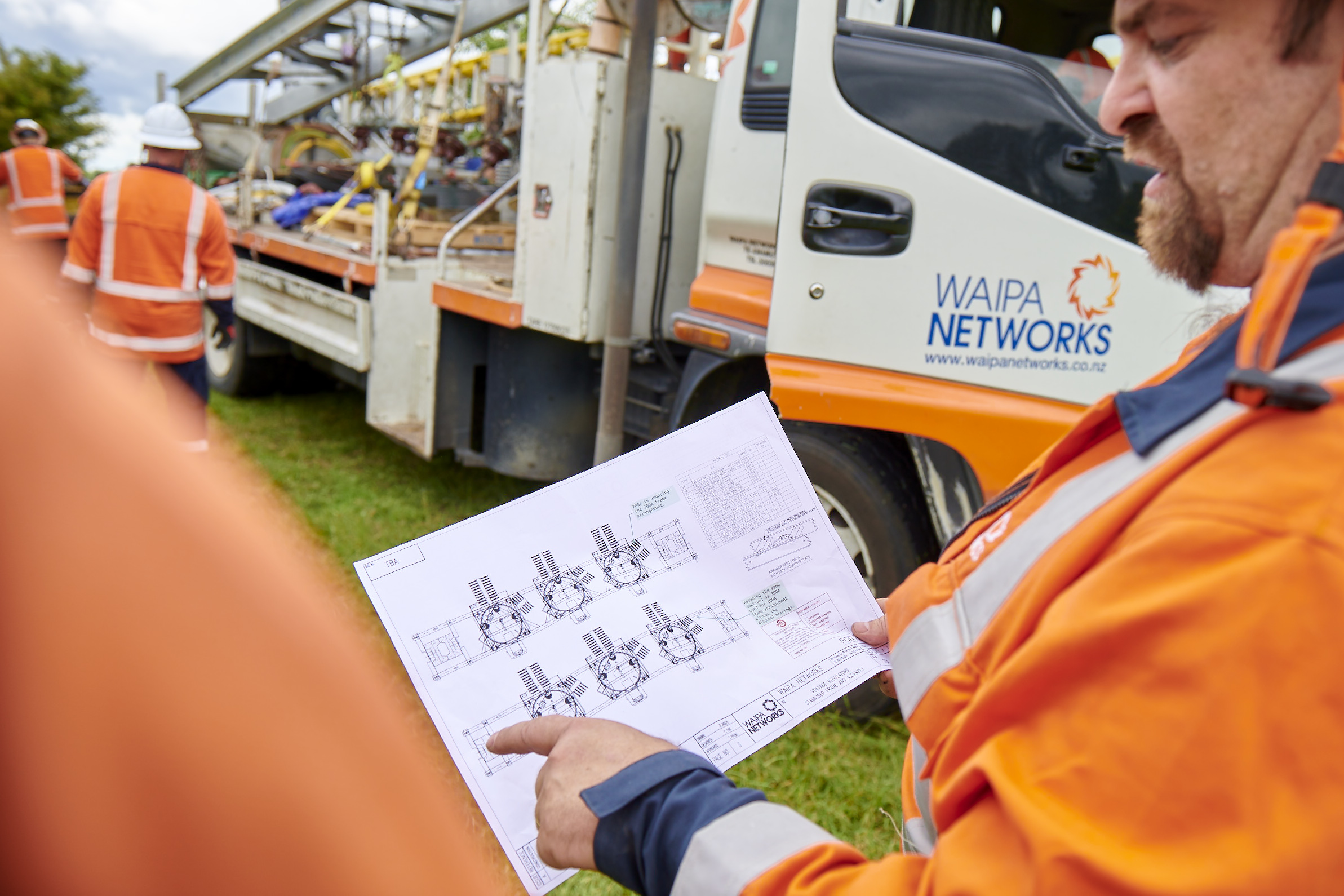
Ready to install solar or another distributed energy source? Complete the appropriate application form below:
• Application form for distributed generation less than 10kW
• Application form for distributed generation 10kW – 300kW
• Application form for distributed generation more than 300kW
If you’re unsure where to start, please get in touch with our team. We’re here to help guide you through the process.